Bald Tyres: What They Are, Risks of Driving on Them, and How to Stay Safe

Updated 2 October 2025
Your tyres are the only point of contact between your car and the road. When tyre tread wears down too far, you end up with bald tyres — a serious safety hazard that can increase your risk of accidents, tyre blowouts, and heavy fines. Many UK drivers underestimate just how dangerous bald tyres can be. Knowing how to spot them early and prevent the problem could save money, penalty points, and even lives.
What Is a Bald Tyre?
A bald tyre is one with tread that has worn down to a dangerously low level. Over time, the constant friction between rubber and road reduces tread depth, exposing tread wear bars and sometimes leaving the tyre surface completely smooth. At this point, the tyre no longer provides safe levels of grip.
Warning Signs of Bald Tyres
By spotting issues early, you can keep yourself safe and avoid costly fines. Look out for these key warning signs:
Visible Wear Bars
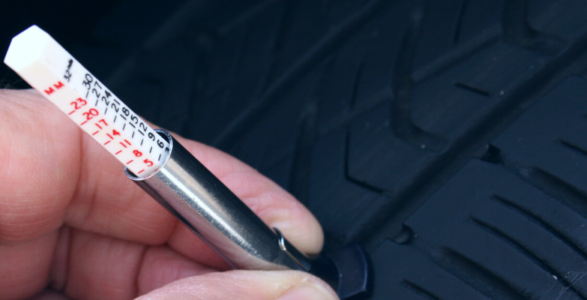
Tyre wear bars (also called tread wear indicators) are thin raised strips that run across the base of the tread grooves. They become more visible once depth reaches around 2/32″ (1.6mm). If the tread is flush with these bars, your tyre is no longer safe or legal and must be replaced.
Low Tread Depth
You can quickly check your tread depth at home with the 20p coin test:
-
Insert a 20p coin into the main tread grooves.
-
If the coin’s outer rim is visible, your tyres are below 3mm of tread and should be replaced.
Although the legal UK minimum is 1.6mm, most safety experts recommend at least 3mm to maintain safe stopping distances.
Cracks and Bulges
Perform a visual inspection regularly. Look for:
-
Cracks or cuts deep enough to expose steel belts.
-
Bulges in the tread or sidewall that suggest internal damage.
If you spot anything unusual, have the tyre checked professionally right away.
Why Bald Tyres Are Dangerous
Driving on bald or illegal tyres puts you at serious risk. Some of the most common dangers include:
Aquaplaning
Without tread to channel water away, your tyres ride on a film of water, resulting in a dangerous loss of grip — especially in heavy rain or snow.
Reduced Braking Performance
Brakes stop your wheels, but tyres provide the grip. Bald tyres compromise stopping distances drastically, particularly on wet or uneven surfaces. This increases the chance of an accident.
Higher Fuel Costs
Bald tyres lose pressure more quickly, increasing rolling resistance. This hurts fuel efficiency and costs you more at the pump.
Punctures and Blowouts
Tyres with little or no tread are easily damaged by debris, making punctures more frequent. They also build up excess heat (because air can’t circulate in grooves), increasing the chance of a sudden blowout.
Causes of Bald Tyres
Understanding why tyres wear out helps you prevent bald tyres in the first place.
Underinflated or Overloaded Tyres
Low tyre pressure makes tyres flex excessively, causing premature wear. Overloading puts too much stress on them, with both situations leading to faster tread loss — or even blowouts.
[See our guide: How to Check Your Tyre Pressure]
Poor Wheel Alignment and Balancing
If wheels are not correctly balanced, tyres may wear unevenly and cause vibrations at higher speeds. Misaligned wheels, meanwhile, force tyres to roll at the wrong angle, leading to accelerated tread wear and poor handling.
Neglected Maintenance
Failing to inspect tyres, rotate them, or service your car regularly results in unnoticed wear. Proper tyre care extends tyre life and prevents dangerous bald spots.
How to Prevent Bald Tyres
-
Check tyre pressures every 2–3 weeks.
-
Rotate tyres according to your vehicle manufacturer’s recommendations.
-
Get wheel alignment checked annually or after hitting potholes/kerbs.
-
Inspect tyres visually for wear, damage, or low tread.
-
Replace tyres when they reach 3mm tread depth, never waiting until the 1.6mm legal minimum.
Legal Penalties in the UK
Driving on bald or illegal tyres carries severe penalties:
-
Fine: up to £2,500 per tyre
-
Penalty points: 3 per tyre
-
Four illegal tyres could result in £10,000 in fines and 12 penalty points, which may lead to a driving ban.
No amount of cost-saving is worth the risk.
FAQs About Bald Tyres
Are bald tyres illegal in the UK?
Yes. The minimum legal tread depth is 1.6mm across the central three-quarters of the tyre. Anything below this is illegal.
Can I drive in the rain with worn tyres?
Driving with low tread significantly increases the risk of aquaplaning and loss of control. It is extremely unsafe.
How often should I replace my tyres?
Most tyres last 20,000–30,000 miles, depending on driving style and maintenance. Always replace when tread depth nears 3mm.
Can bald tyres cause MOT failure?
Yes. If tyres do not meet the legal tread depth or show dangerous damage, your car will fail its MOT.
Final Thoughts
Tyre safety is often overlooked, but driving on bald tyres can cost you far more than replacement tyres. From reduced grip and braking to increased fuel costs and fines, the risks are simply not worth it.
Check your tyres regularly, replace them before they become bald, and remember — staying safe on the road starts at ground level.
Back to all help and advice articles