What is a Credit Score?

Updated 22 September 2025
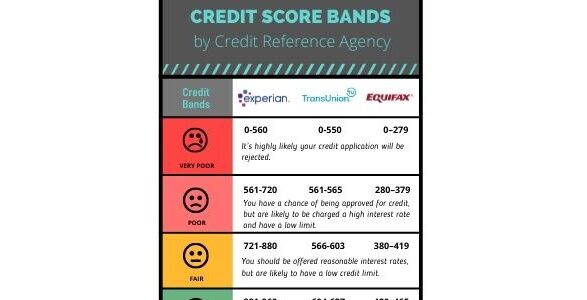
A credit score is a three-digit number that shows how reliable you are at borrowing and repaying money. It helps lenders judge how likely you are to be accepted for credit, such as car finance, credit cards, mortgages, or even mobile phone contracts.
Your score is based on the information in your credit report (also called a credit file), which records how you’ve managed money in the past.
What is Credit?
Credit means borrowing money with the agreement to repay it later, often with interest. Common examples of credit include:
-
Credit cards and store cards
-
Personal loans
-
Monthly payment plans (e.g., for a car or furniture)
-
Utility bills and phone contracts
-
Mortgages and overdrafts
How Does a Credit Score Work?
Credit reference agencies collect details of your financial history to create a credit report, which is then used to generate your credit score.
Lenders check both your score and your report before offering you credit. They also calculate their own credit rating system to decide:
-
Whether to accept or reject your application
-
How much credit to offer
-
What interest rate or terms you’ll get
In general:
-
A high credit score suggests you’re low risk and more likely to be approved.
-
A low credit score suggests you’re higher risk and may face rejection or higher interest rates.
Who Are the Credit Reference Agencies?
In the UK, there are three main credit reference agencies:
These agencies hold your credit report but don’t make lending decisions. Lenders use the information to help them decide whether to approve applications. Because mistakes can happen, it’s worth checking your report regularly to ensure all details are correct.
What If You Have No Credit History?
If you’ve never borrowed money, it can be hard for lenders to judge your reliability. With little or no history, they may assume you’re a higher risk by default. As a result, you could:
-
Be offered credit at higher interest rates
-
Struggle to get approved for loans or credit cards
Building a credit history, even with small accounts like mobile contracts or starter credit cards, is often necessary to improve your score.
Why Do Credit Scores Matter?
Your credit score affects much more than just loans. It can influence:
-
The type of deals you’re offered on credit cards, loans, or mortgages
-
The interest rates you pay
-
Whether you can sign up for a mobile phone plan or other contracts
A good score gives you access to better deals and lower costs, while a poor score limits your options and can make borrowing more expensive.
What Affects Your Credit Score?
Your score reflects how you’ve managed money and bills in the past. Positive behaviours, like paying on time, improve your score. Negative marks, like missed payments, reduce it.
Your credit report usually includes:
-
All existing and past credit agreements (loans, cards, mortgages, etc.)
-
Any accounts held jointly with others
-
Your history of repayments, including missed payments within the past six years
-
Public records, such as CCJs, bankruptcies, or whether you’re on the electoral roll
Common factors that lower your credit score:
-
Repeatedly missing or making late payments
-
Defaults on debts
-
County Court Judgments (CCJs)
-
Bankruptcy