Simple Mistakes That Can Ruin Your Credit Score

Updated 25 September 2025
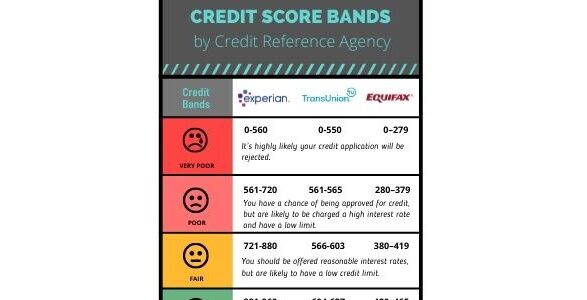
Your credit score is a three-digit number that lenders use to gauge your creditworthiness. It’s calculated from your credit history, including payment behaviour, outstanding balances, and the length of your credit accounts. A strong credit score can make it easier to qualify for finance and access lower interest rates, saving you money over time.
But even small, avoidable mistakes can harm your score. Here are the most common errors to watch out for.
1. Missing payments
Missing even one payment that’s 30 days or more overdue can significantly damage your credit score. Lenders see late payments as a red flag, increasing the likelihood that you’ll either be charged higher rates or rejected for credit altogether.
A single late payment can remain on your credit report for up to six years. To prevent this:
- Set up automatic payments or reminders.
- If you can’t pay in full, make at least the minimum payment on time.
2. Maxing out your credit cards
Your credit utilisation ratio – how much of your available credit you’re using – is a vital factor in your score. Lenders prefer it to stay below 30%. Consistently maxing out your cards suggests financial strain and lowers your score.
To keep it balanced:
- Aim to use less than 30% of your credit limit on each card.
- Spread balances across accounts where possible.
- Consider transferring large balances to a card with a lower rate.
3. Applying for too much credit at once
Whenever you apply for credit, a hard search (or hard check) is added to your record. Too many in a short time frame will drag down your score and raise lender concerns that you may be overextending yourself.
To minimise risk:
- Only apply for credit when you need it.
- Research products before applying so you’re more likely to be accepted.
- Space out applications to limit the impact on your score.
4. Ignoring your credit report
Many people only look at their credit history when planning a big purchase, but waiting until then can leave issues unaddressed. Regularly reviewing your credit report helps you catch errors and recognise patterns that might hurt your score.
Common errors include:
- Wrong personal information
- Accounts that don’t belong to you
- Incorrectly reported late payments
Check your credit report regularly, and promptly dispute any inaccuracies. Free resources are available to monitor your credit standing.
5. Closing old credit accounts
Older accounts help boost the average age of your credit history, which lenders value. Closing them shortens your history and can lower your score.
If you’re not using an account, consider keeping it open with no balance or light usage. If you must close accounts, try to do so gradually instead of all at once.
6. Co-signing for someone with poor credit
Co-signing a loan or card makes you equally responsible for repayments. If the other person misses payments or defaults, your score will take the hit.
Think carefully before co-signing, and only proceed if you’re fully confident the borrower can handle the commitment.
Tips to avoid damaging your credit score
- Set up direct debits or reminders for all bills.
- Keep your credit utilisation below 30%.
- Do your research before applying for credit and avoid multiple applications at once.
- Review your credit report regularly and flag any errors.
- Keep old accounts open, where possible, to maintain credit history.
- Avoid co-signing unless absolutely necessary.
- Always pay bills on time, even if they don’t typically show on your credit file.
Struggling with Bad Credit? Ready to Drive a New Car?
Wondering how to get behind the wheel with less-than-perfect credit? Explore our tailored bad credit car leasing options at Compass Vehicle Services.